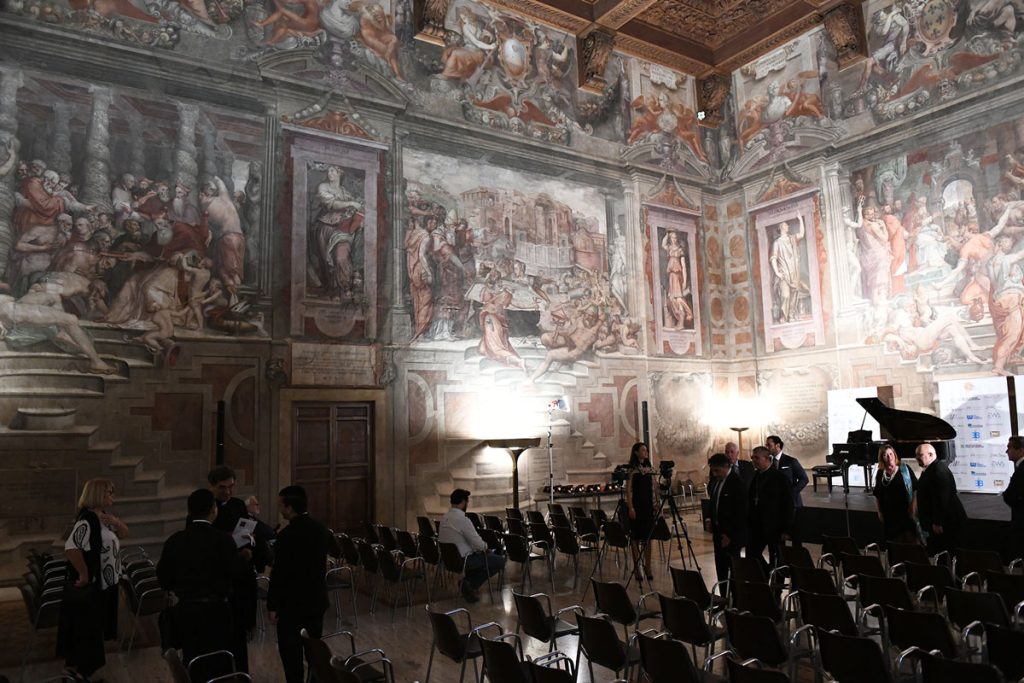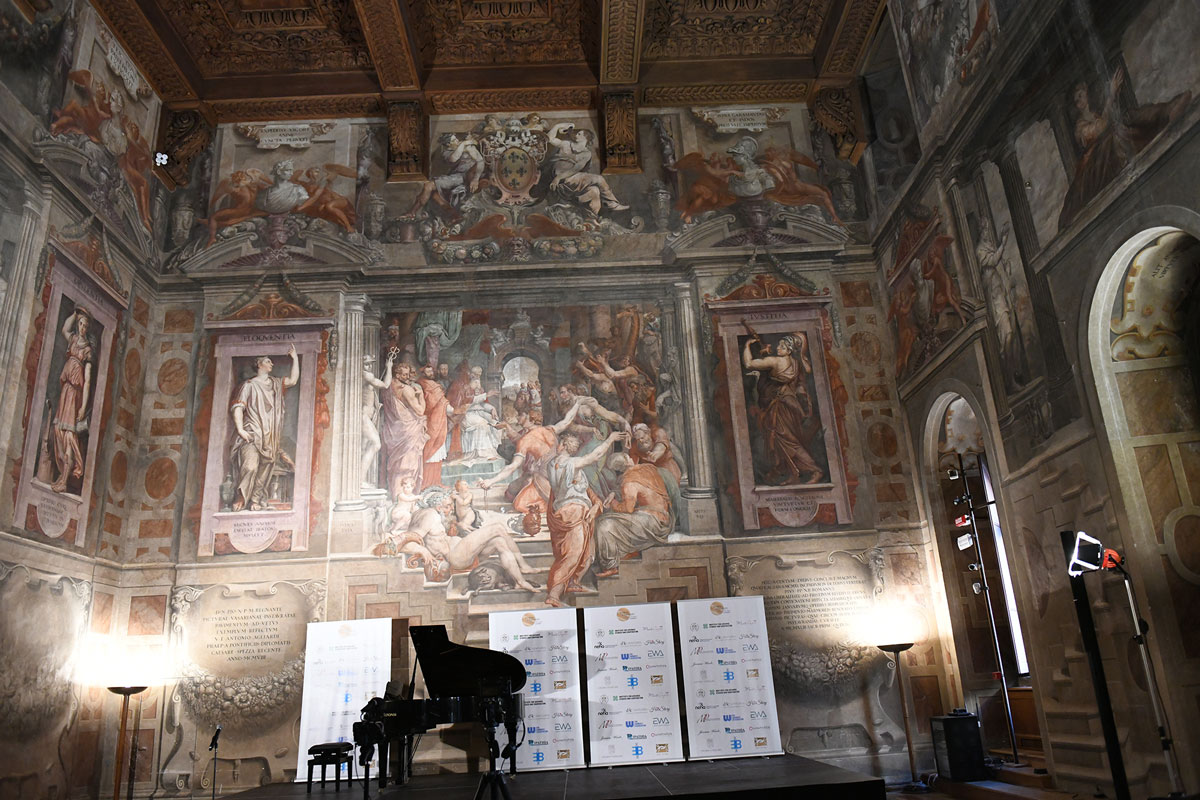
Cancelleria Palace
Address
P.za della Cancelleria, 1, 00186, Rome, Italy
Description
A Renaissance Masterpiece and Venue of Distinction
The Palazzo della Cancelleria, or Palace of the Chancellery, stands as a seminal example of Renaissance architecture and a historical jewel in Rome’s rich tapestry. Commissioned by Cardinal Riario and constructed between 1485 and 1513, this grand palace was the first building in Rome to be erected from the ground up in the new Renaissance style, marking a significant departure from medieval architectural traditions.
The Palazzo’s imposing and elegant façade envelops the small Basilica di San Lorenzo in Damaso, seamlessly integrating the church into its grand design. The palace’s design, characterized by its harmonious proportions and innovative use of space, exemplifies the Renaissance ideals of symmetry and classical grandeur. The façade’s majestic lines and ornate detailing are emblematic of the era’s artistic and architectural revolution.
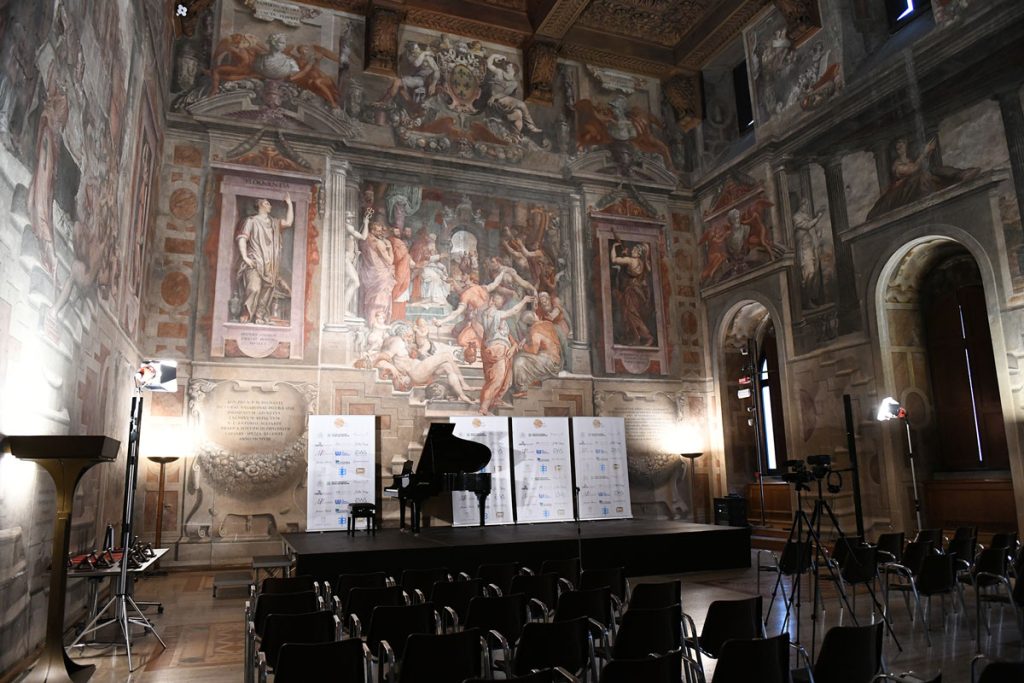
One of the palace’s most notable features is the Sala dei Cento Giorni, or Hall of One Hundred Days. This stunning chamber is renowned for its breathtaking mural, completed by the celebrated artist Giorgio Vasari in a mere 100 days—a feat of remarkable speed and skill. Vasari’s achievement, which he proudly shared with Michelangelo, is immortalized in the room’s title. Michelangelo’s famous response, “Si vede” (“It shows”), reflects the mural’s exceptional quality and the profound impact it left on the art world.
Today, the Sala dei Cento Giorni serves as a prestigious venue for distinguished events and gatherings. The Institute for Advanced Studies and Cooperation (IASC) is honored to host one of its most respected events in this historically and artistically significant space, thanks to the support of the Administration of the Patrimony of the Apostolic See (APSA). The grandeur of the Palazzo della Cancelleria and its beautifully appointed Sala dei Cento Giorni provide a fitting backdrop for events that seek to blend historical reverence with contemporary intellectual discourse.
The Palazzo della Cancelleria remains a testament to the enduring legacy of Renaissance art and architecture, offering a timeless setting for the exchange of ideas and the celebration of cultural heritage.